How Education Shapes a Peaceful and Just Society
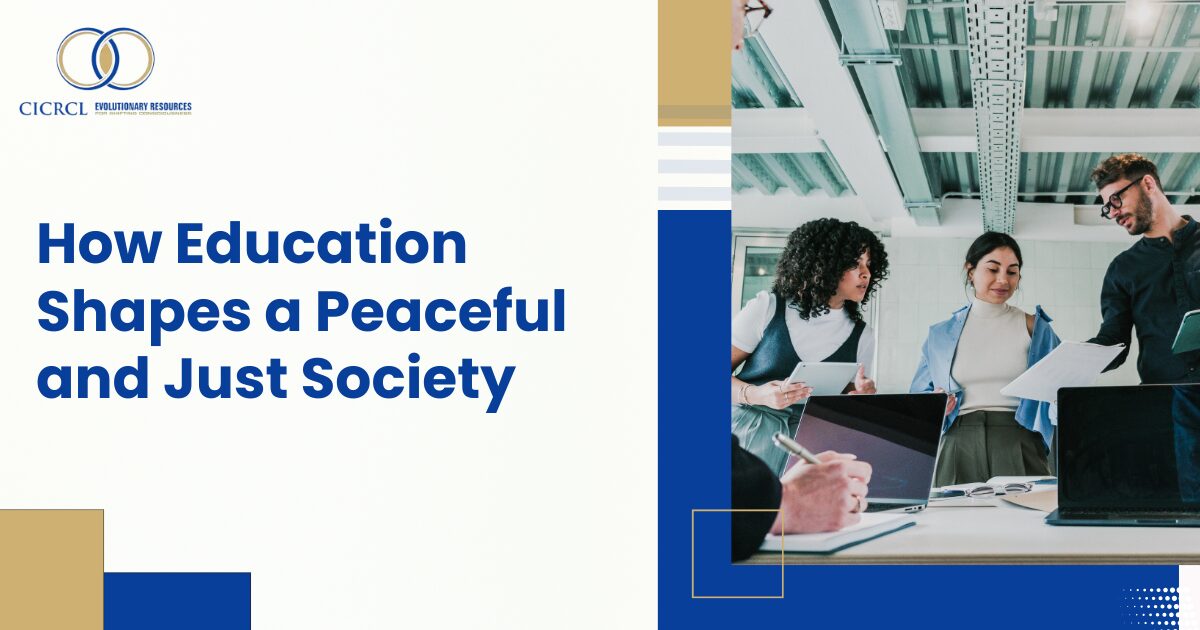
Think of a child growing up in a conflict-ridden community. They hear stories of division, inequality, and unrest. Now, picture that same child receiving an education rooted in peace, empathy, and justice. Over time, they learn critical thinking, conflict resolution, and ethical decision-making. That child becomes an adult who advocates for fairness and unity. This is the transformative power of education. Without access to knowledge, societies struggle to break free from cycles of violence and injustice. Education lays the foundation for a world where fairness prevails, ensuring that future generations grow up in harmony rather than division.
The Link Between Education and Social Justice
Education teaches individuals about human rights, equality, and justice. By learning about historical injustices and social struggles, students gain awareness of systemic inequalities. Schools provide a space where critical discussions challenge bias and encourage fairness. When people understand their rights and responsibilities, they become active participants in creating just societies.
How CICRCL Promotes Social Justice Through Education
CICRCL integrates social justice principles into educational programs, empowering students with the knowledge and skills to advocate for fair policies and inclusive communities. Through workshops and school programs, CICRCL encourages young minds to recognize injustice and take action. By fostering leadership skills, CICRCL ensures students become proactive in shaping fair and inclusive societies.
How Education Promotes Peacebuilding
Knowledge fosters understanding, reducing conflicts caused by ignorance and misinformation. Schools teach communication skills, problem-solving, and non-violent conflict resolution. When people learn to resolve disputes peacefully, communities thrive. Peace-focused education ensures that future generations prioritize diplomacy over aggression.
Efforts in Peacebuilding Education
Various programs equip students with tools to mediate conflicts and engage in constructive dialogue. By promoting empathy and cooperation, societies become stronger and more resilient. CICRCL collaborates with educators and organizations to develop curricula that emphasize peacebuilding skills, ensuring young learners grow into peace advocates.
The Role of Critical Thinking in Justice and Equality
An educated society questions biases, rejects discrimination, and challenges unjust systems. Schools that encourage debate and independent thought create individuals who make informed, ethical decisions. Critical thinking skills prevent manipulation and promote a deeper understanding of societal issues.
Encouraging Critical Thinking
Educational programs that emphasize analytical reasoning and ethical decision-making enable students to recognize injustice and advocate for meaningful change. Schools should incorporate interactive learning, case studies, and discussions on ethical dilemmas to help students analyze real-world challenges. CICRCL provides resources for schools to implement such teaching methods, fostering a new generation of thoughtful leaders.
Education as a Tool for Breaking Cycles of Violence
Violence often stems from a lack of opportunities, misinformation, and deep-seated resentment. When individuals receive an education, they gain access to better opportunities, reducing desperation and crime rates. Learning about tolerance and cooperation minimizes hostility between communities.
Conflict Resolution Education
Structured programs train individuals in conflict resolution strategies, equipping them with skills to break cycles of violence and promote long-term peace. Schools should offer courses on negotiation, active listening, and mediation to prepare students for peaceful problem-solving. Organizations like CICRCL support such initiatives by developing tailored curricula that encourage peaceful dialogue and cooperation.
Teaching Empathy and Emotional Intelligence in Schools
Empathy allows individuals to understand different perspectives, reducing prejudice and discrimination. Schools that prioritize emotional intelligence create students who act with compassion, promoting social harmony.
Contribution to Empathy-Based Learning
Educational initiatives that introduce emotional intelligence training help students develop skills in compassion, active listening, and cultural sensitivity. Schools should integrate emotional literacy programs that teach students how to manage emotions, express themselves clearly, and engage in respectful conversations. CICRCL partners with educators to provide workshops and materials that enhance emotional intelligence learning.
Bridging Economic Inequality Through Education
Access to quality education provides economic opportunities, reducing social divides. When individuals are given the tools to succeed, they contribute to fair economies and uplift marginalized communities.
Role in Education Accessibility
Efforts to expand educational opportunities for underserved populations ensure that everyone, regardless of background, has access to quality learning. Scholarships, mentorship programs, and community schools can close the education gap. Organizations like CICRCL work toward making education accessible to all, focusing on equal learning opportunities to bridge economic inequalities.
The Long-Term Impact of Education on Society
An educated population builds a stable, fair, and prosperous society. Education instills values that shape generations, influencing policies, leadership, and social norms. Investing in education today leads to a just and peaceful future.
Vision for a Better Tomorrow
Organizations remain committed to fostering education that builds fair, peaceful, and thriving communities, ensuring that knowledge continues to drive positive change worldwide. Schools, governments, and civil society must work together to strengthen education systems that emphasize justice, peace, and inclusivity.
FAQs
1. How can digital learning tools contribute to spreading peace education worldwide?
Digital tools break barriers by making peace education accessible to people everywhere. Online courses, virtual discussions, and interactive platforms allow diverse communities to share experiences and learn from one another. Technology helps scale peace education beyond classrooms, reaching those who need it most.
2. How does access to quality education impact social and economic inequalities that fuel conflicts?
Quality education gives people skills and knowledge to break cycles of poverty and discrimination. When communities have equal learning opportunities, they gain better jobs and stability, reducing tensions caused by economic gaps. Education creates hope, giving people alternatives to conflict and violence.
3. How can schools create a culture that promotes social justice beyond academic instruction?
Schools can integrate social justice into everyday learning by encouraging critical thinking, open discussions, and student-led initiatives. Teaching empathy and real-world problem-solving helps students understand different perspectives. By making equality and fairness a core part of school culture, students grow into responsible citizens.
4. What ethical responsibilities do educators have in shaping students’ views on justice and peace?
Educators must present facts honestly while fostering open-mindedness and respect. They should encourage students to question biases, think independently, and engage in meaningful discussions. Teachers have a duty to model fairness and integrity, helping students develop values that support a just and peaceful society.
Education: A Pathway to Lasting Peace and Justice
By teaching values like empathy, fairness, and conflict resolution, education builds a foundation for lasting peace and justice. Schools, educators, and communities play a crucial role in fostering an environment where young minds grow with an understanding of equality and cooperation. Organizations like CICRCL continue to support these efforts, ensuring that education remains a powerful tool for positive change.
Education serves as a foundation for justice and peace, shaping generations toward a better world. Find more about how education fosters peace and safety: Kind and Safe Schools Initiative (KASSI).