Enhancing Student Relationships: Tools for Conflict Resolution in Schools
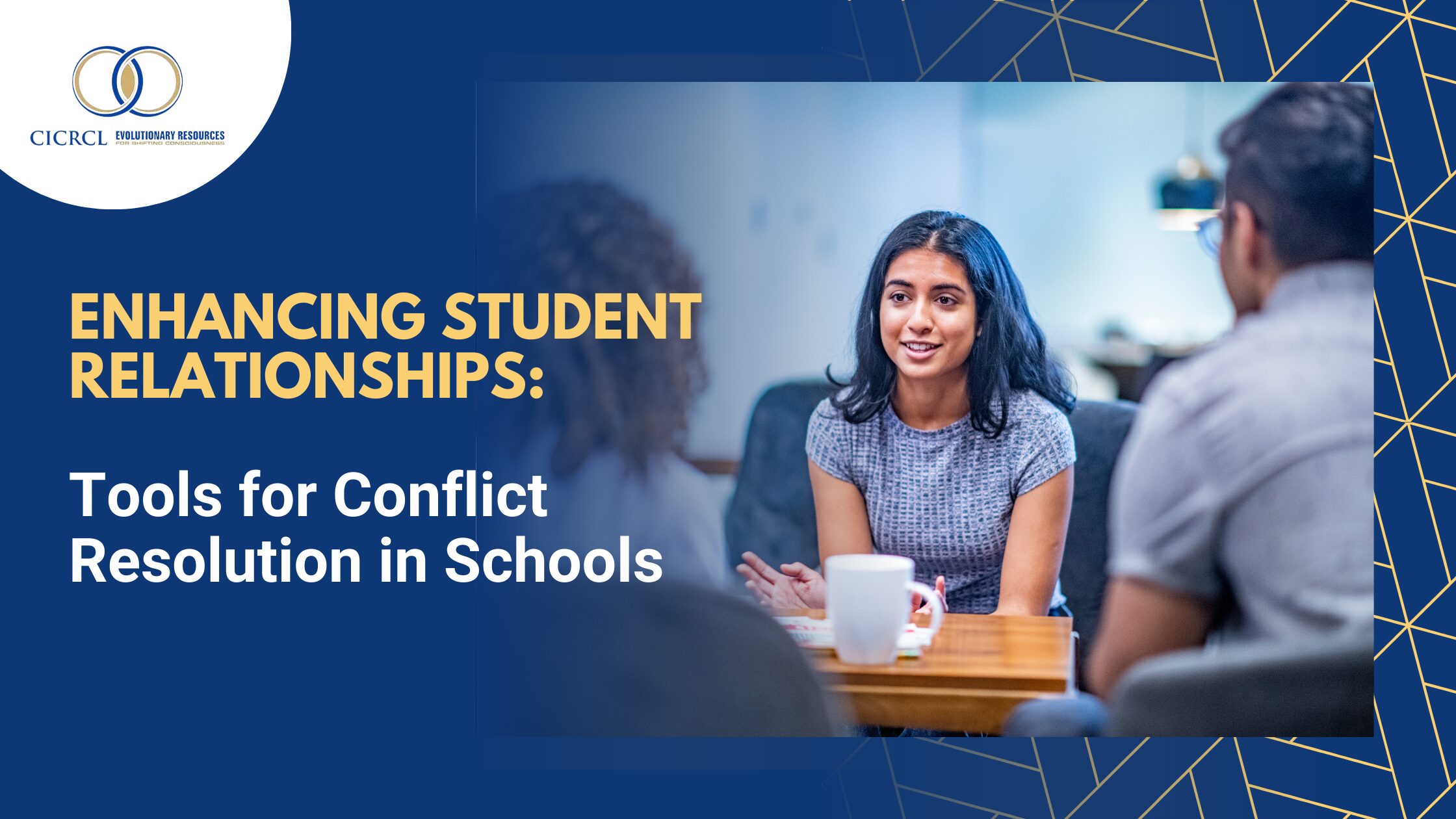
Conflict is a natural part of life, but for students, unresolved disputes can disrupt learning and harm relationships. For many, these conflicts stem from misunderstandings, competition, or a lack of communication skills. Understanding and applying effective tools for conflict resolution education can help students navigate these challenges while building empathy, patience, and teamwork.
As Ronald Reagan said, “Peace is not the absence of conflict, but the ability to handle conflict by peaceful means.” Teaching conflict resolution in schools fosters not just harmony in classrooms but equips students with life skills they can carry into adulthood.
Why Conflict Resolution is Crucial for Students
In a diverse school environment, disagreements are inevitable. These disagreements can sometimes spiral into bullying, exclusion, or even physical altercations if left unresolved. Conflict resolution education can prevent these issues, encouraging students to work together, respect differences, and learn from one another.
The Impact of Conflict on Learning
Conflict impacts more than just relationships—it disrupts students’ ability to focus and engage in their education. Consider these consequences:
- Emotional toll: Students may experience anxiety, frustration, or anger.
- Decreased performance: Struggles with peers can hinder concentration and academic progress.
- Hostile environment: Tensions can create a classroom atmosphere where collaboration feels impossible.
By addressing conflicts constructively, schools can create an environment where students feel safe, valued, and motivated to learn.
Effective Tools for Conflict Resolution
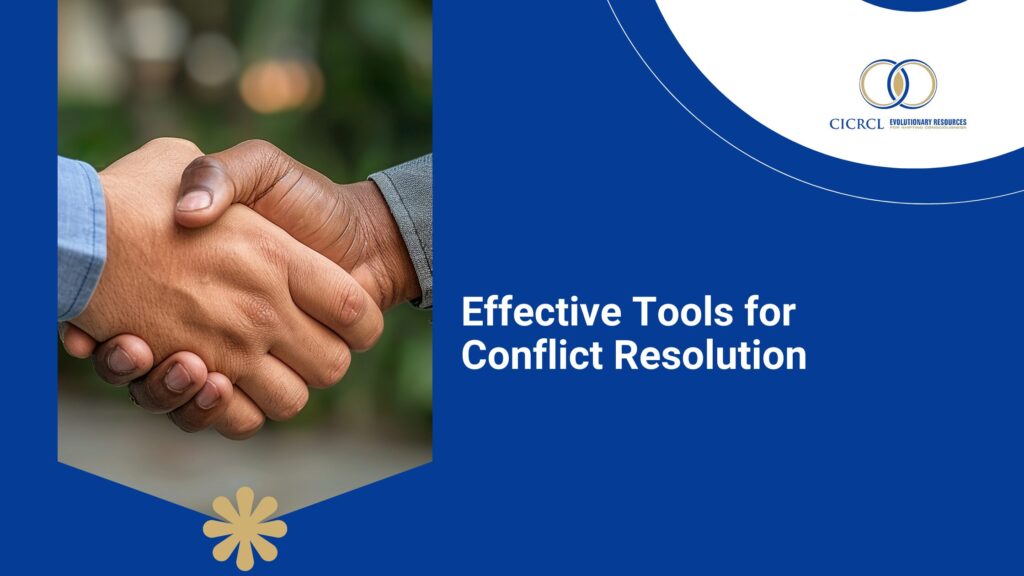
1. Active Listening
Active listening is one of the most fundamental tools in conflict resolution. It entails listening to the other person without prejudice and without would be interrupting at any one time. For students, it’s a skill that fosters understanding and defuses tension.
How to Teach Active Listening in Schools:
- Encourage students to paraphrase what their peers say to ensure they understand.
- Teach them to focus on the speaker without planning their next response.
- Introduce body language cues like nodding and maintaining eye contact.
When students actively listen, they demonstrate respect for each other, opening the door to finding common ground.
2. Peer Mediation Programs
Peer mediation empowers students to become part of the solution. By involving their peers in resolving conflicts, students often feel more comfortable and less judged. Trained student mediators guide their classmates through open, non-confrontational conversations.
Benefits of Peer Mediation:
- Builds leadership skills in mediators.
- Creates a sense of accountability among participants.
- Responsibility is showcased within the school community for the improvement of their relations.
Through such programs, schools can nurture empowering peace leaders among students, turning potential conflicts into opportunities for collaboration.
3. Role-Playing Activities
Role-playing offers students a safe way to explore how conflicts arise and how they can be resolved. By acting out scenarios, students gain perspective on others’ feelings and reactions.
Examples of Scenarios:
- A misunderstanding over group project roles.
- A disagreement on team sports strategy.
- A miscommunication in social settings like lunch breaks.
These activities help students practice problem-solving in real-time while developing empathy for others.
The quality of our relationships determines the quality of our lives.
Restorative Practices in Schools
Restorative Practices in Schools
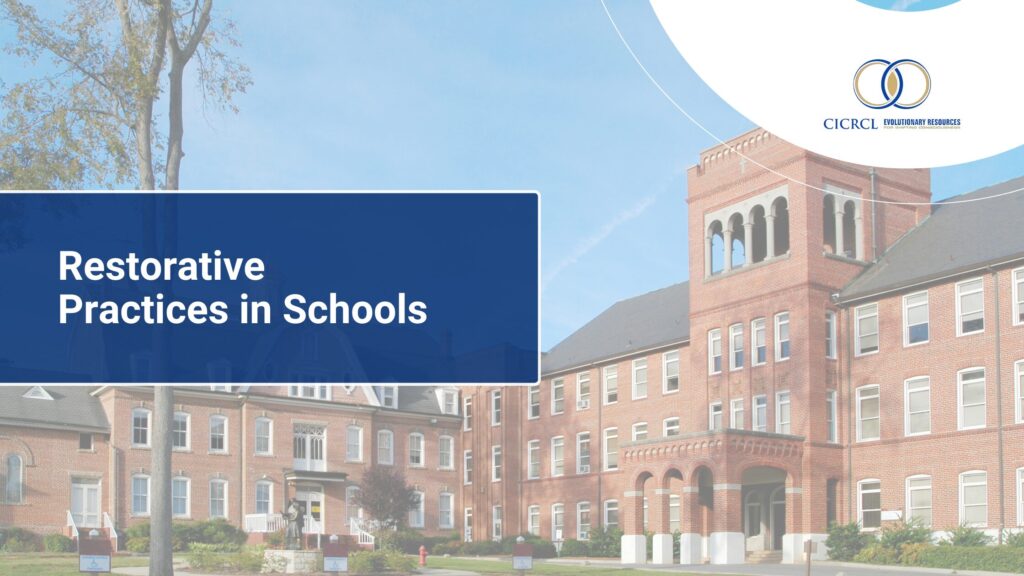
Restorative justice is gaining momentum in schools worldwide. It changes the whole paradigm from the punitive model to the recovery of relationships. Instead of labeling students as “problematic,” restorative practices view conflicts as opportunities for growth and understanding.
Key Elements of Restorative Practices:
- Open Dialogue: Make sure all participants offer their opinion.
- Collaborative Solutions: Focus on what each person needs to move forward.
- Rebuilding Trust: Use apologies and commitments to create a positive path ahead.
Schools that adopt restorative practices report lower rates of disciplinary actions and stronger student relationships.
Teaching Conflict Resolution in Daily School Life
Integrating Conflict Resolution into Curriculum
Conflict resolution skills can be taught as part of everyday lessons in subjects like social studies or literature. For instance, analyzing characters’ conflicts in novels can spark discussions on real-life disagreements.
Morning Meetings or Assemblies
Regular morning meetings offer an excellent opportunity to discuss conflict resolution strategies. Teachers can model scenarios, share stories, or invite students to reflect on recent challenges.
Benefits of Conflict Resolution Skills for Students
The benefits of teaching conflict resolution extend far beyond the classroom.
1. Improved Emotional Intelligence
Conflict resolution fosters emotional awareness. Students learn to recognize their feelings and understand the emotions of others. This heightened emotional intelligence benefits them in friendships, family interactions, and future workplaces.
2. Strengthened Communication Skills
Learning to express thoughts clearly and listen actively helps students communicate effectively in all aspects of life. These skills enhance teamwork, negotiation, and collaboration.
3. Lifelong Problem-Solving Abilities
Addressing conflicts constructively encourages critical thinking. Students analyze situations, weigh potential outcomes, and make decisions that benefit everyone involved.
The Role of Teachers and Parents
While schools are central to teaching conflict resolution, parents and teachers must work together to reinforce these lessons at home and in extracurricular settings.
How Teachers Can Help:
- The role modelling should be used to promote positive peer interaction.
- Develop consensus and keep control of exaggerated conflicts where possible first.
- Provide praise when students resolve issues respectfully.
How Parents Can Help:
- Model respectful communication during disagreements at home.
- Discuss conflict resolution strategies and share personal examples.
- Support school efforts by attending workshops or programs on this topic.
Final Thoughts
Conflict resolution is a vital skill for every student, shaping not only their school experience but their overall character. By integrating these tools into school culture, educators can create a safe, nurturing environment where conflicts are seen as opportunities to grow.
Let us remember that teaching children to address disagreements respectfully today paves the way for more compassionate, understanding leaders tomorrow. As they step out into the world, these young individuals will carry with them the ability to navigate relationships with integrity, empathy, and wisdom.
By fostering these skills, schools are not just solving today’s issues but are preparing students for a brighter and more harmonious future.
At CICRCL, we believe in fostering healthy relationships among students through effective conflict resolution programs. Providing tools and training to students helps them grow in both their academic and personal lives.